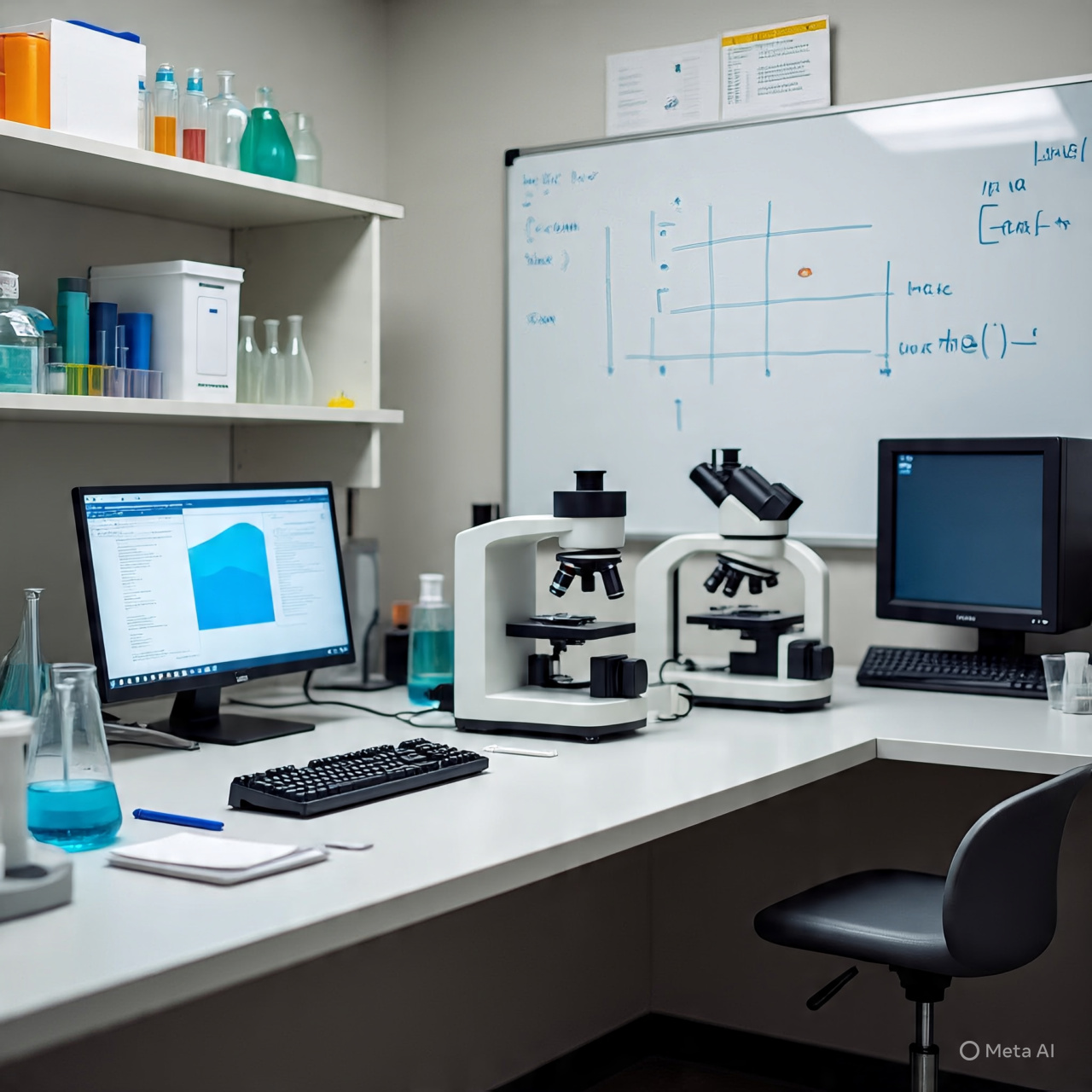
Lab supplies and equipment form the foundation of reliable scientific work across research labs, hospitals, and industrial facilities. They enable precise measurement, controlled testing, and reproducible results, which are essential for accurate experimentation and analysis. Quality lab equipment ensures that tests and procedures meet strict industry standards for accuracy and safety.
These tools range from basic consumables like glassware and plasticware to advanced instruments such as chromatographs and temperature-controlled incubators. Suppliers often offer comprehensive selections that cater to varied laboratory needs, including consumables, safety gear, and specialized testing apparatus.
Understanding the right equipment and supplies for specific tasks helps streamline workflows and maintain consistency in results. Access to reliable products and trusted distributors plays a critical role in supporting the efficiency and integrity of laboratory operations.
Types of Lab Supplies and Equipment
Laboratories rely on specific equipment designed to support precise measurements, sample handling, and safety. These tools must be selected carefully to match the procedures and materials involved in the scientific work.
Glassware and Plasticware
Glassware and plasticware include vessels and containers essential for holding, mixing, and storing liquids and samples. Common glass items are beakers, flasks, and test tubes. They provide chemical resistance and withstand heat, making them suitable for reactions and heating processes.
Plasticware, such as petri dishes, pipette tips, and microcentrifuge tubes, offers lightweight alternatives with reduced risk of breakage. Plastic is often preferred for disposables and experiments involving biological samples to prevent contamination.
Both materials should be chosen based on chemical compatibility, durability, and intended use. Proper labeling and handling ensure accurate results and safety in the lab.
Measuring Instruments
Measuring instruments are vital for obtaining precise data. This category includes balances, pipettes, burettes, and volumetric flasks. Analytical balances measure mass with high accuracy, crucial for quantitative experiments.
Pipettes and burettes control liquid volumes during titrations and solution preparations. Volumetric flasks provide reliable volume calibration for standard solutions. Instruments often require calibration and routine maintenance to preserve accuracy.
Digital devices, such as pH meters and spectrophotometers, complement traditional measuring tools by offering objective, repeatable readings vital for monitoring reactions and concentrations.
Safety Equipment
Safety equipment protects laboratory personnel from hazards associated with chemicals, biological samples, and physical risks. Essential items include lab coats, gloves, goggles, and face shields, which provide barrier protection against splashes and spills.
Fume hoods ventilate harmful vapors, reducing inhalation risks. Eyewash stations and safety showers are critical emergency fixtures to quickly mitigate exposure to hazardous substances.
Proper selection and regular inspection of safety gear are mandatory practices to maintain a safe working environment and comply with regulations. Proper training in the use of these items is equally important for effective protection.
Selecting and Maintaining Laboratory Equipment
Choosing the right laboratory equipment involves balancing functionality, durability, and safety. Proper usage and scheduled maintenance extend equipment lifespan and ensure accurate results. Attention to detail in these areas reduces downtime and protects investment.
Criteria for Choosing Equipment
When selecting laboratory equipment, key factors include performance specifications, compatibility with existing systems, and regulatory compliance. The equipment must meet the technical requirements of the intended procedures without exceeding necessary capabilities, avoiding unnecessary costs.
Vendor reputation and after-sales service are critical. Reliable support ensures timely repairs and availability of spare parts. Energy efficiency and ease of calibration should also be considered to reduce long-term operational costs.
Cost alone should not dictate choices. Instead, prioritize equipment that supports workflow efficiency and user safety, while offering flexibility for future needs.
Proper Usage Guidelines
Laboratory equipment must be operated according to manufacturer instructions and safety protocols. Staff should be trained thoroughly on functions, limitations, and potential hazards.
Using equipment outside its intended purpose or ignoring calibration schedules can lead to inaccurate data and damage. Protective gear should be worn when handling sensitive or hazardous instruments.
Clear labeling and documentation of operating procedures reduce misuse. Regular reviews of usage practices help identify training gaps or process improvements.
Regular Maintenance Practices
Regular maintenance involves scheduled inspections, cleaning, and calibration to ensure equipment functions correctly. Maintenance programs should follow manufacturers’ recommendations and include routine checks for wear, corrosion, or malfunctions.
Documentation of maintenance activities is necessary for quality management and compliance. Preventive maintenance minimizes breakdowns and costly repairs.
Critical equipment may require more frequent calibration and validation to maintain accuracy and safety standards. Establishing a maintenance calendar and assigning responsibilities helps maintain consistency.