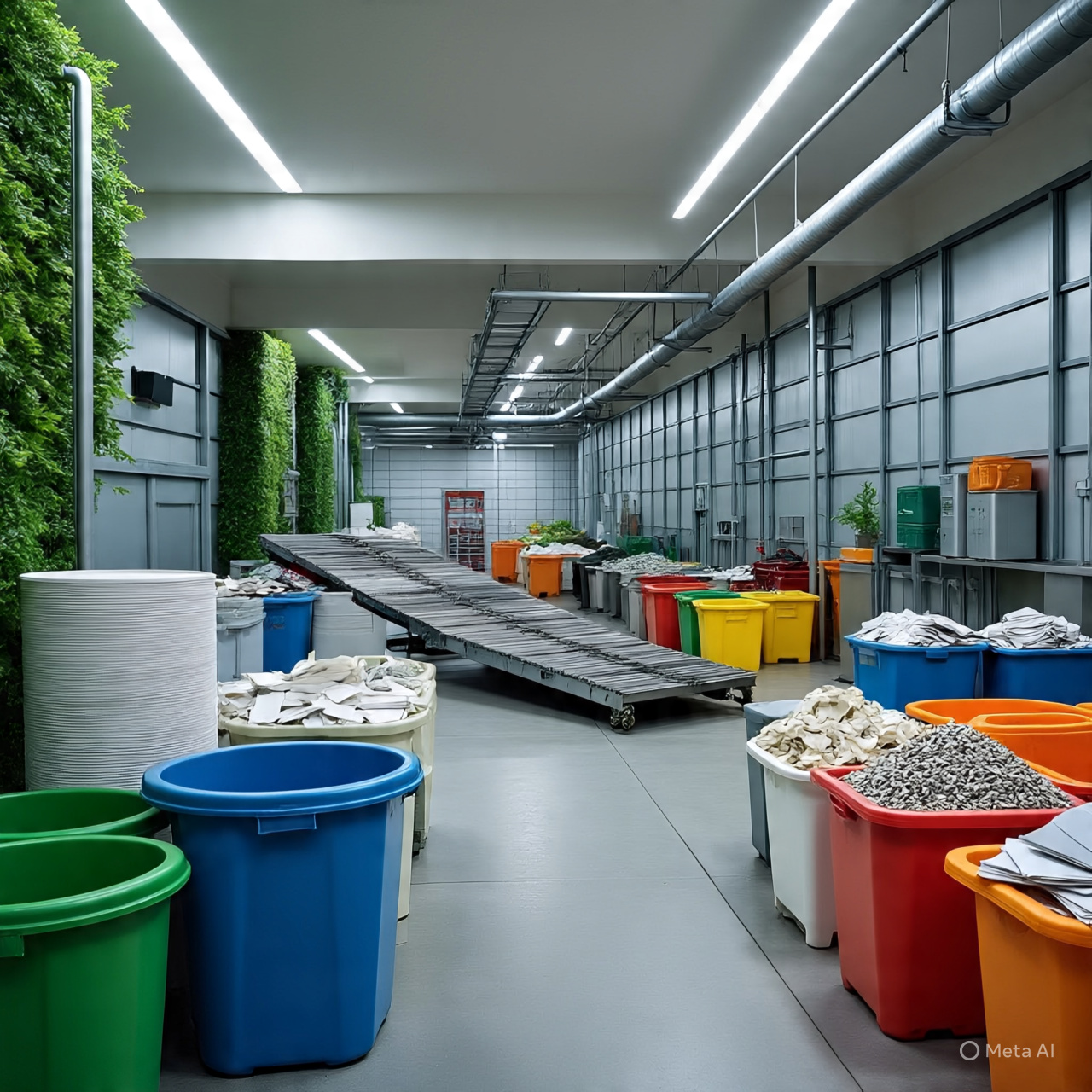
Commercial recycling is a practical approach for businesses to manage waste while reducing environmental impact. It involves sorting and collecting recyclable materials separately from general waste, which helps lower disposal costs and supports sustainability goals. Effective commercial recycling programs can cut waste volume and improve operational efficiency.
Many businesses benefit from tailored waste management solutions that include recycling bins, regular pickups, and specialized services like compactor use. These services not only keep workspaces cleaner but also contribute to meeting regulatory and corporate responsibility standards.
As companies grow increasingly mindful of their ecological footprint, integrating commercial recycling becomes an essential part of maintaining a responsible and cost-effective waste strategy. Understanding how to implement and maintain these systems can help any business operate more sustainably.
Commercial Recycling Overview
Commercial recycling involves systematic methods for handling waste materials generated by businesses. It focuses on reducing landfill contributions, cutting costs, and supporting environmental regulations. Key elements include identifying recyclable materials and following efficient collection and processing steps.
Definition and Importance
Commercial recycling is the organized collection and processing of recyclable materials produced by businesses. It reduces waste sent to landfills, conserves natural resources, and lowers disposal costs. Businesses also enhance their corporate social responsibility and comply with environmental laws by adopting such programs.
This form of recycling supports sustainability efforts, demonstrating accountability to stakeholders and customers. As waste volumes from commercial operations can be significant, systematic recycling helps mitigate environmental impact and promotes resource recovery.
Types of Recyclable Materials
Commercial recycling typically involves materials such as paper, cardboard, plastics, metals, and glass. These materials are the most common and cost-effective to process.
| Material | Common Uses | Recyclability Notes |
|---|---|---|
| Paper | Office documents, packaging | Highly recyclable if uncontaminated |
| Cardboard | Shipping boxes | Easily processed and widely accepted |
| Plastics | Containers, packaging films | Some types recyclable; check codes and local rules |
| Metals | Aluminum cans, scrap metal | Valuable and consistently recyclable |
| Glass | Bottles, jars | Recyclable but requires sorting by color |
Proper separation ensures material quality and reduces contamination, improving efficiency throughout the recycling process.
How the Commercial Recycling Process Works
The process begins with businesses sorting recyclable materials at the source, separating them from general waste. Containers or bins are strategically placed for collection.
Specialized commercial recycling companies then collect the sorted materials on a scheduled basis. After pickup, materials are transported to processing facilities.
At these centers, recyclable goods are further sorted, cleaned, and prepared for resale or reuse in manufacturing. This system cuts waste management costs for businesses and supports environmental regulations by diverting waste from landfills to recovery streams.
Implementing Commercial Recycling Solutions
Successful commercial recycling relies on careful planning, selecting the right partners, and applying proven methods. Businesses must consider available resources, operational needs, and regulatory compliance while designing their recycling efforts. The following areas address how to structure and execute an effective program.
Developing a Recycling Program
Developing a commercial recycling program starts with assessing current waste streams and identifying recyclable materials. Establishing clear objectives—such as reducing landfill waste by specific percentages—helps focus the effort. Involving employees through training and communication ensures participation and accountability.
Providing appropriate recycling bins in convenient locations encourages proper sorting. Setting performance metrics and reviewing progress regularly allows continuous improvement. It is essential to tailor the program size and scope to the company’s operational scale to avoid complexity overload.
Choosing Commercial Recycling Partners
Selecting reliable commercial recycling partners involves evaluating service scope, pricing, and regulatory compliance. Companies should verify if partners can handle specific materials such as paper, plastics, metals, or electronics, depending on waste profiles.
Service frequency and flexibility matter; partners should accommodate peak business periods without interruptions. Transparent reporting from recycling companies supports tracking material diversion rates and environmental impact. Proximity to recycling facilities can reduce transportation costs and carbon footprint.
Industry Best Practices
Industry best practices emphasize consistent education and employee engagement. Businesses that provide regular training experience better recycling rates and fewer contamination issues. Using standardized signage and color-coded bins also simplifies sorting.
Integrating sustainability into product design and procurement—such as favoring recyclable packaging—supports circular economy goals. Regularly auditing the program uncovers inefficiencies and opens opportunities for expansion. Collaboration with recycling partners and stakeholders strengthens program resilience.