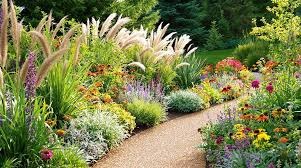
Designing an outdoor space in a region known for its cold winters and dry summers requires careful planning. The key to successful yard transformation lies in understanding how local weather patterns affect soil, plants, and materials. With thoughtful choices, homeowners can achieve both beauty and durability throughout the year.
Understanding Local Climate Conditions
Before planning any garden or yard improvement, it is essential to consider temperature extremes and precipitation levels. The area experiences significant seasonal changes, meaning plants must tolerate both frost and heat. Selecting native species and hardy perennials helps maintain a healthy landscape with less effort and water.
Practical Plant Selections
Choosing plants suited to the environment reduces maintenance and improves survival rates. Native shrubs, drought-tolerant grasses, and evergreen trees adapt well to the conditions. Perennials such as coneflowers and yarrow provide color throughout the growing season without constant attention.
- Use mulch to retain soil moisture and protect roots during temperature swings.
- Group plants with similar water needs to avoid overwatering or stress.
- Incorporate evergreens for year-round structure and privacy.
Integrating Hardscapes and Outdoor Features
Hardscaping plays a crucial role in creating inviting and functional spaces. Durable materials like stone, concrete, and composite decking withstand freeze-thaw cycles better than softer materials. Incorporating patios, pathways, and retaining walls adds structure and reduces erosion on sloped yards.
Thoughtful deck design complements the natural surroundings while providing comfortable areas for outdoor gatherings. Elevated decks can improve drainage and highlight scenic views, while smaller ground-level platforms create cozy seating zones near gardens or fire pits.
Efficient Water Management
Water conservation is vital in a region with limited rainfall. Drip irrigation systems deliver moisture directly to roots, minimizing waste. Collecting rainwater in barrels or underground tanks provides a sustainable source for garden use. Proper grading ensures runoff flows away from foundations and prevents pooling during snowmelt.
- Install permeable pavers to reduce surface water buildup.
- Use gravel or river rock beds to channel runoff effectively.
- Incorporate drought-tolerant groundcovers to replace high-maintenance lawns.
Seasonal Maintenance Strategies
Regular upkeep keeps outdoor areas attractive and functional across all seasons. In spring, inspect hardscapes for cracks caused by frost and trim plants to encourage growth. Summer requires consistent watering and pest monitoring, while fall is ideal for mulching and planting new perennials. Winter preparations include wrapping delicate shrubs and storing furniture safely.
Creating Cohesion Between Home and Landscape
Successful outdoor spaces feel like natural extensions of the home. Coordinating colors, textures, and materials between indoor and outdoor areas enhances flow and comfort. Lighting design also plays a key role, emphasizing pathways, focal plants, and architectural features during darker months.
Long-Term Sustainability Practices
Eco-friendly choices reduce environmental impact and long-term costs. Using compost improves soil health, while selecting local materials minimizes transportation emissions. A well-planned landscaping calgary approach balances aesthetics, practicality, and environmental responsibility, ensuring outdoor spaces remain vibrant for years to come.