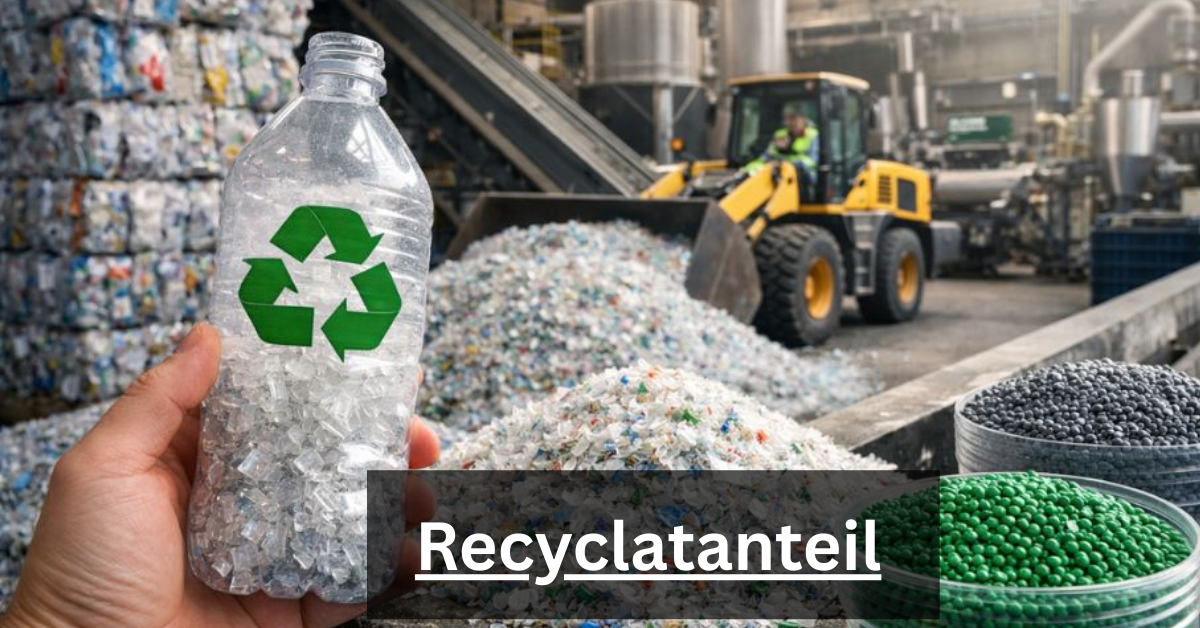
In an era where sustainability is no longer optional, understanding the Recyclatanteil of products has become essential for manufacturers, consumers, and policymakers alike. But what exactly does Recyclatanteil mean, and why is it gaining so much attention?
Recyclatanteil is a German term referring to the proportion of recycled content in a product. Whether in plastics, metal, or packaging materials, this measure indicates how much of a product is made from recycled resources rather than virgin materials. This concept is crucial for reducing environmental impact, conserving natural resources, and advancing circular economy principles.
The importance of Recyclatanteil goes beyond environmental benefits. Manufacturers can enhance their brand reputation, comply with strict EU regulations, and even reduce production costs. Consumers, on the other hand, can make informed purchasing decisions by choosing products with a higher recycelter Inhaltsstoffgehalt.
In this article, we will explore the concept of Recyclatanteil, its role in sustainability, how it is measured, the materials it applies to, regulatory frameworks, challenges, future trends, and its impact on both businesses and consumers.
2. Understanding Recyclatanteil
Definition and Literal Meaning of Recyclatanteil
The term Recyclatanteil literally combines “Recyclat” (recycled material) and “Anteil” (share or proportion). It describes the percentage of a product made from recycled content. For example, a PET bottle with a Recyclatanteil of 50% contains half recycled plastic and half virgin material.
Difference Between Recyclatanteil, Rezyklatanteil, and Recyclingquote
While these terms are related, subtle distinctions exist:
- Recyclatanteil: Share of recycled material in a product.
- Rezyklatanteil: Essentially a synonym, often used interchangeably in industrial contexts.
- Recyclingquote / Recyclingrate: Measures how much waste is actually recycled, not the content in a product.
PCR vs. Pre-Consumer Recycled Content
PCR (Post-Consumer Recycled Material) comes from consumer-used products, such as bottles or packaging, that are collected, processed, and reused. Pre-Consumer Recycled Material originates from industrial waste generated during manufacturing. Both contribute to Recyclatanteil, but PCR content often carries higher sustainability credibility because it represents the circular use of consumer waste streams.
3. The Role of Recyclatanteil in Sustainability
Contribution to Circular Economy (Kreislaufwirtschaft)
A higher Recyclatanteil promotes Kreislaufwirtschaft, an economic system that emphasizes reuse, recycling, and minimizing waste. Using recycled materials reduces dependence on virgin resources and fosters a closed-loop manufacturing process where materials are continuously repurposed.
Recyclatanteil: Understanding the Role of Recycled
Environmental Benefits
Increasing Recyclatanteil lowers energy consumption and reduces greenhouse gas emissions. Using recycled metal or plastics often consumes significantly less energy than producing virgin equivalents. Furthermore, it helps mitigate landfill accumulation and reduces pollution from raw material extraction.
Reducing Carbon Footprint
By focusing on PCR and Pre-Consumer content, businesses can measurably reduce their carbon footprint. This is especially critical in industries like packaging and electronics, where large-scale production can significantly impact the environment. Recyclatanteil becomes both an environmental and marketing asset.
4. Materials and Products with Recyclatanteil
Recyclatanteil in Plastics
Plastic packaging often contains PCR content, such as bottles or containers. Modern technologies enable up to 100% recycled PET content without compromising quality. High-quality sorting and cleaning ensure Rezyklatqualität, maintaining safety standards and durability.
Recyclatanteil in metal, Glass, and Paper
metal like aluminum and steel are highly recyclable. For instance, recycled aluminum requires 95% less energy than primary aluminum. Glass and paper also effectively incorporate recycled content, enhancing sustainability while maintaining product quality.
Impact on Product Quality and Durability
Concerns about material performance often arise with recycled content. However, advances in Materialrecyclingprozesse and Sortierung und Aufbereitung ensure recycled inputs meet rigorous industrial standards. This enables manufacturers to use Sekundärrohstoffe im Produkt without sacrificing strength, appearance, or safety.
Industry Examples and Case Studies
Companies in packaging, automotive, and consumer goods have successfully integrated high Recyclatanteil. For example, major beverage brands now produce bottles with up to 50% PCR content, demonstrating feasibility and consumer acceptance.
5. Measuring and Calculating Recyclatanteil
Standards and Guidelines
- ISO 14021: International standard for environmental labeling, defining recycled content claims.
- GRS (Global Recycled Standard): Certifies recycled content and responsible sourcing.
- EU Packaging Laws: Require certain recycled content percentages in packaging for sustainability compliance.
Difference Between Percentage of Recycled Content vs. Recycling Rate
While Recyclatanteil measures the recycled content in a product, Recyclingquote assesses the proportion of waste actually recycled. Both metrics are critical but serve different purposes in sustainability reporting.
Tools and Methods for Accurate Measurement
Analytical methods, including material audits, supply chain tracing, and digital tracking systems, ensure accuracy in reporting recycelter Inhaltsstoffgehalt. Proper measurement safeguards Vertrauenswürdigkeit (trustworthiness) and compliance.
6. Regulations and Certifications
EU Packaging Directive and National Regulations
EU law mandates minimum recycled content in certain packaging types. These policies drive manufacturers to increase Recyclatanteil and adopt sustainable production methods.
Global Recycled Standard (GRS) and Other Certifications
Certifications like GRS verify recycled content and ensure environmental and social responsibility throughout the supply chain. Labels such as Recyclingkennzeichnung help consumers make informed choices.
Recyclatanteil Labeling and Consumer Transparency
Transparent communication of Recyclatanteil builds trust. Labels showing PCR-Anteil or recycelter Inhaltsstoffgehalt empower consumers to prefer environmentally responsible products.
7. Challenges in Increasing Recyclatanteil
Quality and Contamination Issues
Contaminated recycled materials can compromise Rezyklatqualität, affecting product safety and performance. Efficient Sortierung und Aufbereitung is essential to maintain high-quality outputs.
Supply Chain Limitations
Limited availability of recycled inputs, especially PCR materials, constrains manufacturers. Logistics, collection infrastructure, and recycling technology impact supply reliability.
Economic and Technological Constraints
Producing high-quality recycled materials can be costlier than virgin production. Investment in advanced sorting and recycling processes is required to overcome these challenges.
Solutions and Innovations
Emerging technologies, including AI-driven sorting, chemical recycling, and digital traceability, enhance Sekundärrohstoffquote and expand the scope for higher Recyclatanteil.
8. How Businesses Can Optimize Recyclatanteil
Strategies for Manufacturers
- Integrate PCR and Pre-Consumer recycled content in products
- Improve recycling logistics and supplier partnerships
- Innovate product design to accommodate higher recycled content
Communication to Consumers
Highlighting Recyclatanteil on labels and marketing materials strengthens brand sustainability image. Terms like Recycled content claims and Sustainable product communication resonate with eco-conscious buyers.
Examples of Leading Companies
Brands in packaging, automotive, and consumer electronics have successfully incorporated high Recyclatanteil, demonstrating environmental responsibility and competitive advantage.
9. Consumer Awareness and Impact
Checking Recyclatanteil on Products
Consumers can look for labels indicating PCR-Anteil, Rezyklatgehalt, or recycelter Inhaltsstoffgehalt. Awareness campaigns educate buyers about the significance of recycled content.
Influence on Purchasing Decisions
Products with higher Recyclatanteil often attract eco-conscious consumers. Transparency in labeling fosters trust and encourages sustainable choices.
Educational Campaigns and Eco-Labels
Eco-labels, recycling guides, and corporate communications promote understanding of Recyclatanteil, driving engagement in sustainability efforts.
10. Future Trends in Recyclatanteil
Innovations in Recycling and Material Recovery
Advanced recycling technologies, including chemical and mechanical recycling, are improving Rezyklatqualität and enabling higher recycled content in complex products.
Predicted Increase in PCR Content
Global trends suggest an increasing share of PCR material in plastics, metal, and packaging, supporting circular economy goals and regulatory compliance.
Digital Tracking and Smart Labeling
Digital solutions, including blockchain and QR codes, allow transparent tracking of recycled content, helping consumers verify Recyclatanteil and fostering trust.
What is the difference between Recyclatanteil and Recyclingquote?
Recyclatanteil measures the proportion of recycled content in a product, while Recyclingquote indicates the percentage of waste actually recycled.
Can Recyclatanteil affect product quality?
With proper sorting and material processing, high Recyclatanteil products can maintain equivalent quality and durability as virgin materials.
What is PCR content?
PCR (Post-Consumer Recycled Material) comes from consumer-used items, representing recycled content collected after usage.
How can consumers verify Recyclatanteil?
Look for labels, certifications like GRS, or eco-labels indicating PCR content or Rezyklatgehalt.
Why is Recyclatanteil important for sustainability?
It reduces reliance on virgin resources, minimizes environmental impact, and supports circular economy principles.
Summary
Recyclatanteil is more than a statistic—it is a symbol of sustainable manufacturing, environmental responsibility, and consumer awareness. By understanding its meaning, measurement, challenges, and benefits, manufacturers, regulators, and consumers can collaborate to build a more sustainable and circular economy.
Increasing Recyclatanteil reduces resource consumption, lowers carbon footprints, and ensures products meet modern sustainability standards. Businesses can leverage this to enhance brand reputation, while consumers can make informed choices that support environmental stewardship.
By embracing high Recyclatanteil, we take a collective step toward a greener, more responsible future. Choosing products with a higher share of recycled content is a small action with a profound positive impact.