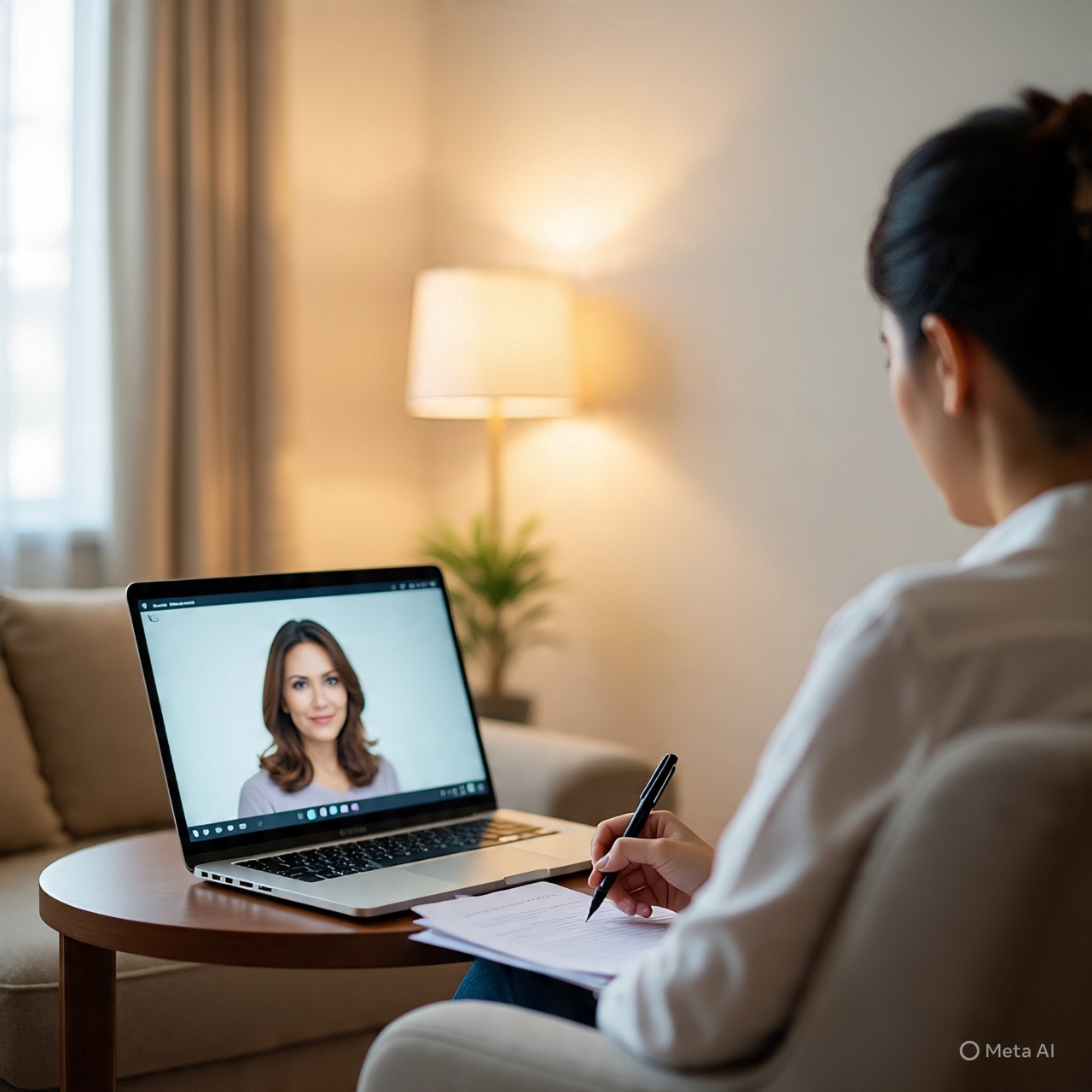
Anxiety counselling online offers accessible and effective support for individuals seeking professional help without the barriers of location or scheduling. Many platforms connect clients with licensed therapists who specialize in anxiety, providing tailored therapy through video, phone, or messaging. Online anxiety counselling combines expert care with convenience, often accepting insurance and sometimes enabling medication management.
This approach allows users to find therapy that fits their needs and lifestyle, making mental health care more affordable and flexible. Platforms vary in their features, with some offering personalized matching systems to ensure clients feel comfortable and supported throughout their treatment.
With numerous options available, from widely recognized services to specialized providers, online anxiety counselling is becoming a practical choice for those looking to manage anxiety discreetly and effectively.
Benefits and Effectiveness of Online Anxiety Counselling
Online anxiety counselling offers specific advantages that make it a practical choice for many individuals. These include easier access to care, proven therapeutic methods, and safeguards for confidentiality. Each factor contributes to effective treatment and patient comfort.
Convenience and Accessibility
Online counselling removes geographical barriers, allowing people to access therapy regardless of location. This is crucial for individuals living in rural or underserved areas with limited mental health resources. Scheduling flexibility also helps clients fit sessions into busy or irregular routines.
The option to attend sessions from home reduces stress related to commuting or social anxiety in waiting rooms. It also helps maintain continuity of care during situations like illness or travel. Overall, convenience supports adherence to treatment plans and timely support during crisis moments.
Evidence-Based Approaches
Effective online anxiety counselling commonly uses cognitive-behavioral therapy (CBT), a well-established method for anxiety disorders. CBT adapts well to virtual formats, involving exercises and skill-building focused on changing unhelpful thought patterns.
Other therapies such as mindfulness-based techniques and psychodynamic therapy are also offered online, often tailored to individual needs. Research consistently shows virtual therapy to be as effective as in-person care, particularly for generalized anxiety, social anxiety, and panic disorders.
Confidentiality and Privacy
Online platforms prioritize client privacy with secure video technology and encrypted communication to protect sensitive information. Many services comply with legal standards like HIPAA, ensuring data confidentiality.
Clients can participate in sessions from private settings, giving them control over their environment and enhancing comfort. This sense of security often encourages honesty, which is vital for therapeutic progress. Privacy protections build trust necessary for effective anxiety treatment.
How to Choose the Right Online Anxiety Counsellor
Choosing an online anxiety counsellor requires attention to key professional qualities and relevant experience. Understanding these factors helps ensure effective support tailored to individual anxiety symptoms and challenges.
Qualifications and Credentials
A reliable online anxiety counsellor should have recognized professional credentials, such as licensure in psychology, counseling, social work, or psychiatry. Licensure confirms the practitioner has met specific education, training, and ethical standards required by governing bodies.
It’s important to verify if the therapist holds certifications related to anxiety treatment, such as training in cognitive-behavioral therapy (CBT), which is widely used for anxiety disorders. Additionally, many platforms list therapist qualifications, allowing clients to make informed choices.
Therapists offering online services must comply with telehealth regulations, ensuring confidentiality and security. Confirming credentials upfront assures the counsellor’s legitimacy and ability to provide safe, effective care remotely.
Specialization in Anxiety Disorders
Effective anxiety counselling benefits from a therapist’s focus on anxiety-related conditions. This includes experience with generalized anxiety disorder, social anxiety, panic disorder, and trauma-related anxiety symptoms.
Counsellors specializing in anxiety are familiar with specific triggers, coping techniques, and evidence-based interventions tailored to each disorder. They understand how anxiety impacts daily life and can guide clients in managing symptoms through therapy methods suited for online delivery.
Clients should seek therapists who actively treat anxiety and have positive outcomes documented in this field. Specialization improves therapy effectiveness and helps build trust between client and counsellor.