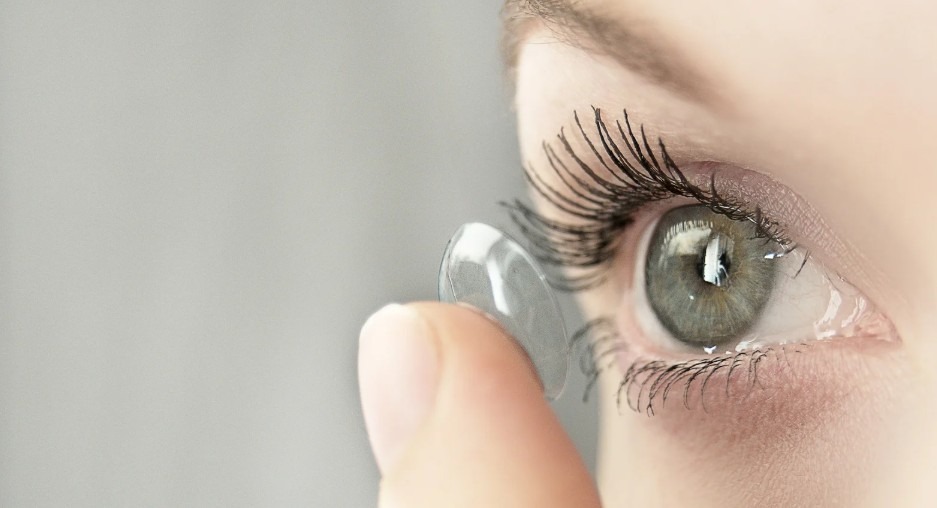
Living with dry eyes while wearing contact lenses shouldn’t mean choosing between clear vision and comfort. Yet that’s exactly the dilemma many people face every single day. Your eyes feel gritty by lunchtime, your vision blurs when you’re trying to focus, and by evening, you’re counting down the minutes until you can finally take those lenses out. Sound familiar?
The good news is that contact lens technology has come remarkably far in addressing dry eye challenges. Two lenses consistently stand out as favorites among dry eye sufferers: 1 Day Acuvue Moist and Dailies AquaComfort Plus. But which one actually delivers better comfort for your specific situation? Let’s take an honest, detailed look at how these lenses stack up.
Understanding Your Dry Eye Challenge
Before we dive into comparing lenses, it helps to understand what’s happening with your eyes. Dry eye isn’t just one condition—it’s a spectrum. Some people don’t produce enough tears. Others produce plenty of tears, but they evaporate too quickly. Many experience inflammation that disrupts the delicate balance of their tear film.
Contact lenses add another layer of complexity. They sit directly on your tear film and can accelerate moisture loss. For someone already dealing with dry eyes, this creates a perfect storm of discomfort. That’s why choosing the right lens isn’t just about brand loyalty or price—it’s about finding technology that actively works to keep your eyes hydrated.
The Science Behind 1 Day Acuvue Moist
1 day acuvue moist approaches dry eye comfort through what Johnson & Johnson calls LACREON technology. Here’s what makes this interesting: instead of applying moisture to the lens surface where it can wash away, they’ve woven a wetting agent directly into the lens material itself during manufacturing.
Think of it like the difference between applying lotion to your skin versus having naturally moisturized skin. The moisture in these lenses isn’t a coating—it’s part of the lens structure. Throughout your entire wearing time, this embedded moisture slowly releases, helping maintain a stable environment for your tears.
The lens material, etafilcon A, holds 58% water content. This percentage isn’t randomly chosen. Too much water content can actually lead to the lens drawing moisture from your tears, potentially worsening dryness. The 58% strikes a balance that works well for many dry eye sufferers, providing cushioning without creating competition for available moisture.
What really impresses users is the consistency. Your comfort at hour one typically matches your comfort at hour ten. There’s no dramatic drop-off that leaves you scrambling for relief by mid-afternoon. For people with moderate to severe dry eyes who need reliable all-day wear, this predictability is invaluable.
How Dailies AquaComfort Plus Takes a Different Path
Dailies aquacomfort plus uses an entirely different strategy, and it’s equally impressive. These Alcon lenses feature what they call a triple-action moisture system. The technology releases moisturizing agents every single time you blink, which happens about 15,000 to 20,000 times daily for most people.
The genius here is leveraging your natural blinking mechanism. Each blink spreads fresh moisture across the lens surface, helping maintain that critical tear film that dry eyes struggle to keep stable. The lenses contain three distinct moisturizing agents—polyvinyl alcohol, hydroxypropyl methylcellulose, and polyethylene glycol—each serving a specific purpose in moisture retention.
With 69% water content, these nelfilcon A lenses sit on the higher end of the water content spectrum. They’re also incredibly thin, which reduces the feeling of having something in your eye. Many wearers describe them as almost disappearing once they’re in place.
The packaging solution deserves mention too. It contains moisturizers that condition the lens before it ever touches your eye. This means you’re starting with a hydrated lens from second one, which can make insertion more comfortable when your eyes are particularly dry.
Where Each Lens Shines
In the first few hours of wear, both lenses perform beautifully. However, subtle differences emerge as your day progresses. If you’re someone who works long shifts—nurses, drivers, office workers putting in 10 to 12-hour days—the 1 Day Acuvue Moist tends to maintain its comfort level more consistently into those extended hours.
The embedded moisture technology doesn’t rely on frequent blinking to stay effective. This matters enormously if you’re focused on tasks that reduce your blink rate, like staring at spreadsheets or driving long distances.
On the other hand, if your dry eye symptoms are mild to moderate and you prioritize that initial cushioned comfort, Dailies AquaComfort Plus often wins. The higher water content creates an exceptionally soft feel that many users love. The blink-activated moisture works wonderfully during normal activities with regular blinking patterns.
Environmental Factors You Can’t Ignore
Your environment dramatically impacts how these lenses perform. Air-conditioned offices, airplane cabins, heated indoor spaces in winter—all of these create challenges for dry eyes. The 1 Day Acuvue Moist generally handles harsh environments slightly better because its moisture doesn’t depend on environmental factors or blinking frequency.
However, if you work outdoors or in more moderate conditions, the Dailies AquaComfort Plus performs exceptionally well. The constant moisture refresh with each blink keeps pace with normal environmental stress on your tear film.
When You Need Additional Support
Even with advanced lens technology, some dry eye situations require extra help. This is where compatible dry eye drops become part of your comfort strategy. The advantage with daily disposables is that you’re applying drops to a clean lens surface every day, not one covered with deposits from weeks of wear.
Always choose preservative-free artificial tears labeled safe for contact lens use. With either of these lenses, you can supplement comfort as needed without worrying about chemical interactions or lens damage.
Making Your Decision
The honest truth? Both lenses are excellent choices for dry eyes. Your decision should consider your typical day length, work environment, severity of dry eye symptoms, and personal comfort preferences.
Consider requesting trial lenses of both from your eye care professional. Wear each for at least a week to get past the initial adjustment period. Pay attention not just to comfort, but to how your eyes feel at the end of your longest, most demanding days.
Your comfort matters. With the right daily disposable lens, you can enjoy clear vision without constantly thinking about your dry, irritated eyes. That’s the freedom both of these lenses aim to deliver—and for many people, they succeed brilliantly.