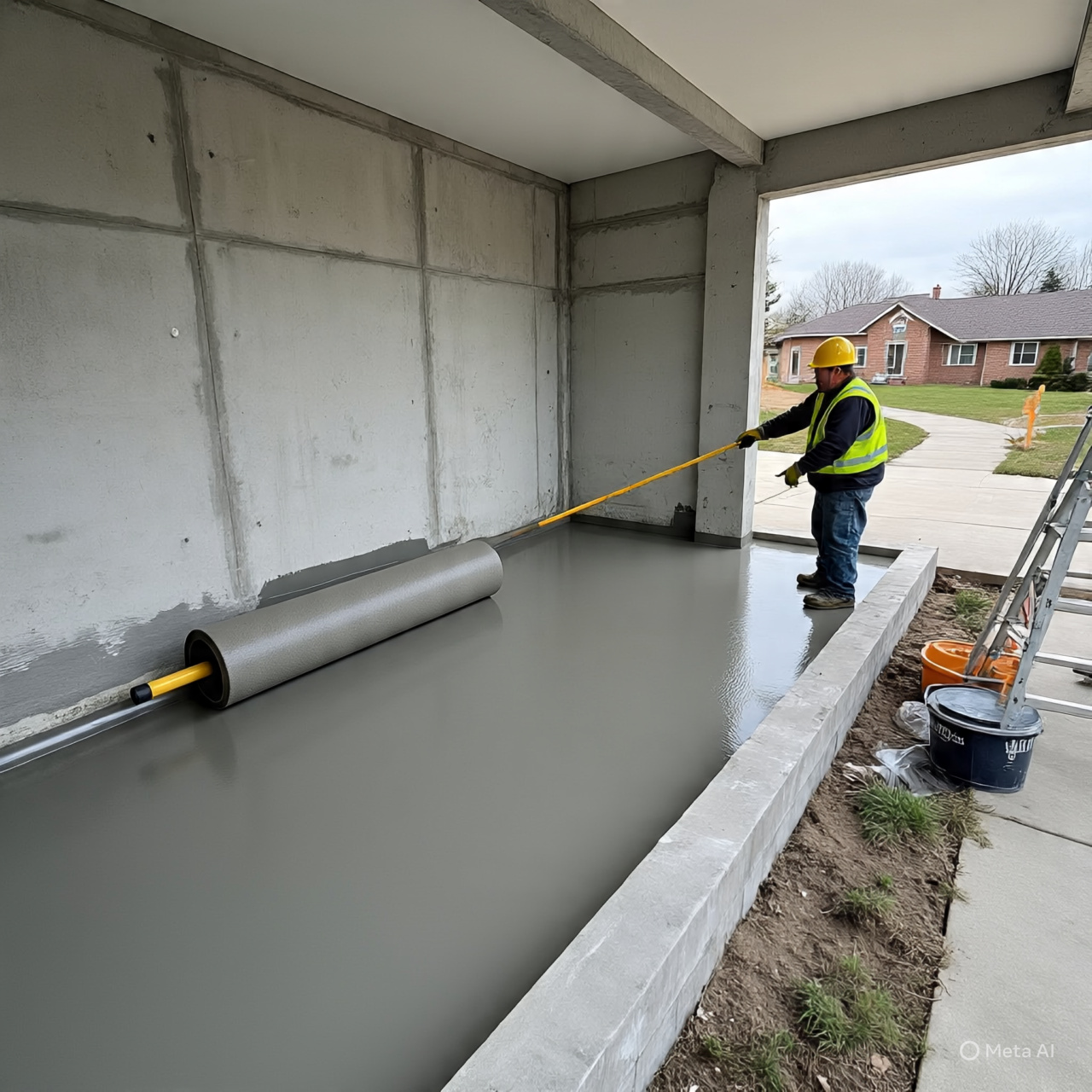
Exterior basement waterproofing is a crucial step to protect a home from water damage, mold, and structural issues. By applying waterproof barriers and ensuring proper drainage on the outside of the foundation, it prevents water from penetrating the basement walls. This method offers long-term protection by addressing moisture at its source before it reaches the interior.
Many homeowners overlook exterior waterproofing because it can be more labor-intensive, but it is often the most effective way to keep basements dry. The process involves preparing the foundation, applying waterproof coatings, installing drainage systems, and managing grading to direct water away. Proper exterior waterproofing reduces the risk of leaks and costly repairs over time.
Methods of Exterior Basement Waterproofing
Exterior basement waterproofing involves several key techniques to block and redirect water away from the foundation. These methods focus on physically protecting the basement walls and managing groundwater before it can cause leaks or damage.
Excavation and Membrane Application
This method starts with excavating the soil around the foundation to expose the basement walls. Excavation must be done carefully to avoid structural risks. Once the wall is visible, a waterproof membrane, often made from rubberized asphalt or polyethylene, is applied.
The membrane acts as a barrier, preventing water from seeping through the concrete or masonry. It is usually installed in large sheets and sealed at seams to ensure continuous coverage. The membrane system is often paired with a drainage board to improve water flow away from the wall.
Proper application requires attention to detail, including cleaning the wall surface before installation and extending the membrane below the footer level to block water migrating through the soil.
Exterior Drainage Solutions
Controlling water around the foundation reduces pressure on basement walls. Exterior drainage systems involve grading the soil to slope away from the home, preventing water pooling near the foundation.
Additionally, installing perimeter drainage pipes (French drains) collects groundwater and channels it away. These pipes sit at the base of the foundation, wrapped in fabric to prevent clogging by soil particles.
Sometimes, drainage systems are combined with sump pumps that actively remove water collected around the foundation. Effective exterior drainage significantly decreases the chance of water infiltration and foundation damage.
Waterproof Coatings and Sealants
These products are liquid-applied directly to the exterior basement walls. Waterproof coatings can be cementitious, bituminous, or elastomeric and create a durable, water-resistant layer.
Sealants penetrate or cover cracks and porous areas, preventing moisture from entering. Some coatings are breathable, allowing trapped moisture to escape while blocking liquid water.
Regular maintenance of coatings is important because exposure to weather and soil conditions can degrade them. When applied correctly, these materials complement membranes and drainage systems, enhancing overall protection.
Signs, Benefits, and Maintenance
Exterior basement waterproofing addresses visible and hidden moisture issues, providing long-term protection that interior methods alone cannot match. It requires ongoing care to maintain effectiveness and safeguard the foundation.
Common Indicators of Exterior Basement Waterproofing Needs
Visible signs often include cracks in the foundation walls, pooling water near the base of the house, and damp or musty odors in the basement. Water stains or mold growth on walls also signal water penetration.
Another key indicator is soil erosion near the foundation, which suggests improper drainage allowing water to accumulate. Homeowners may notice increased humidity or efflorescence, a white powdery substance on masonry, indicating moisture migration.
Timely identification of these signs is critical. Ignoring them can lead to structural damage and costly repairs. Exterior waterproofing prevents these problems by addressing water before it reaches the basement walls.
Advantages Over Interior Solutions
Exterior waterproofing creates a barrier that stops water before it enters the structure, unlike interior methods that manage water after infiltration. This approach reduces hydrostatic pressure on foundation walls, minimizing the risk of cracks and leaks.
While interior solutions like sump pumps and vapor barriers are relatively affordable, they often require constant maintenance and may fail during heavy or prolonged rainfall. Exterior waterproofing offers a more durable and comprehensive fix.
Additionally, exterior methods improve soil drainage through installation of drain tiles and membranes. This prevents water buildup against the foundation, protecting the home from long-term moisture issues and potential mold growth.
Routine Inspection and Upkeep
Regular inspections are essential to ensure waterproofing materials and drainage systems remain intact. Homeowners should check for soil settling, damaged membranes, and clogged drain pipes at least once a year.
Clearing gutters and downspouts to direct water away from the foundation also supports waterproofing effectiveness. Seasonal maintenance before heavy rains helps prevent blockages and water pooling.
If small cracks or wear appear, early professional repair can avoid major excavation later. Scheduled upkeep can extend the lifespan of exterior waterproofing and maintain the home’s structural health.