The lifespan of a roof depends on many factors, but local weather conditions play one of the biggest roles. Understanding how temperature shifts, rainfall, wind, and other elements interact with roofing materials helps homeowners maintain durable protection for their homes.
Temperature Extremes and Material Expansion
When temperatures fluctuate between hot and cold, roofing materials expand and contract. Over time, this constant movement can cause cracking or warping, especially in asphalt shingles. In regions with frequent freeze-thaw cycles, moisture trapped under shingles may freeze, leading to further deterioration.
Metal roofs handle these changes better due to their flexibility, but proper installation and ventilation remain essential. Without adequate airflow, heat buildup in the attic can accelerate wear and reduce energy efficiency.
Rainfall and Moisture Exposure
Consistent rainfall or high humidity adds stress to any roof. Water can seep into small gaps, causing leaks, rot, or mold growth. Regular inspections ensure that flashing, gutters, and drainage systems remain clear and functional.
Properly installed roofing systems include underlayment layers designed to resist moisture penetration. These layers act as a barrier, protecting the structure beneath from prolonged water exposure.
Wind and Storm Impact
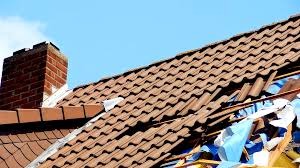
Strong winds can lift shingles, loosen fasteners, or even tear sections of the roof away. After major storms, it is wise to check for missing or damaged parts and secure vulnerable areas quickly to prevent leaks.
- Inspect ridge caps and edges where wind pressure is greatest.
- Replace missing shingles promptly to avoid water infiltration.
- Ensure flashing remains tight around vents and chimneys.
Consistent upkeep after each storm event helps preserve the roof’s integrity and extends its service life.
Snow, Ice, and Cold Conditions
In colder climates, snow and ice create unique challenges. Ice dams form when melted snow refreezes near the edges, pushing water under shingles. This can damage insulation, ceilings, and walls inside the home.
Proper insulation and ventilation help prevent uneven melting on the roof surface. Clearing heavy snow loads also reduces structural strain, especially on older roofs.
Sunlight and UV Exposure
Constant sunlight causes gradual breakdown of roofing materials. UV rays dry out shingles, making them brittle and more likely to crack. Reflective coatings or lighter-colored materials can minimize heat absorption and slow down this process.
Periodic inspections help identify early signs of sun damage, such as fading or curling edges. Timely maintenance ensures that minor issues do not shorten the overall lifespan.
Maintenance Practices for Longevity
Regular maintenance is vital in all climates. Keeping gutters clean, trimming overhanging branches, and checking sealants around fixtures prevent small problems from escalating. A well-maintained roof can often exceed its expected lifespan by several years.
Homeowners considering upgrades or replacements should explore high-quality materials and expert installation for residential roofing. Tailoring material choices to local weather patterns leads to better performance and long-term savings.
Adapting to Local Climate Conditions
Every region poses distinct weather challenges. Whether facing heavy rain, intense sun, or fluctuating temperatures, understanding these factors helps homeowners plan effective care routines. Investing time in preventive inspection and maintenance ensures that the roof remains strong, safe, and durable in any season.