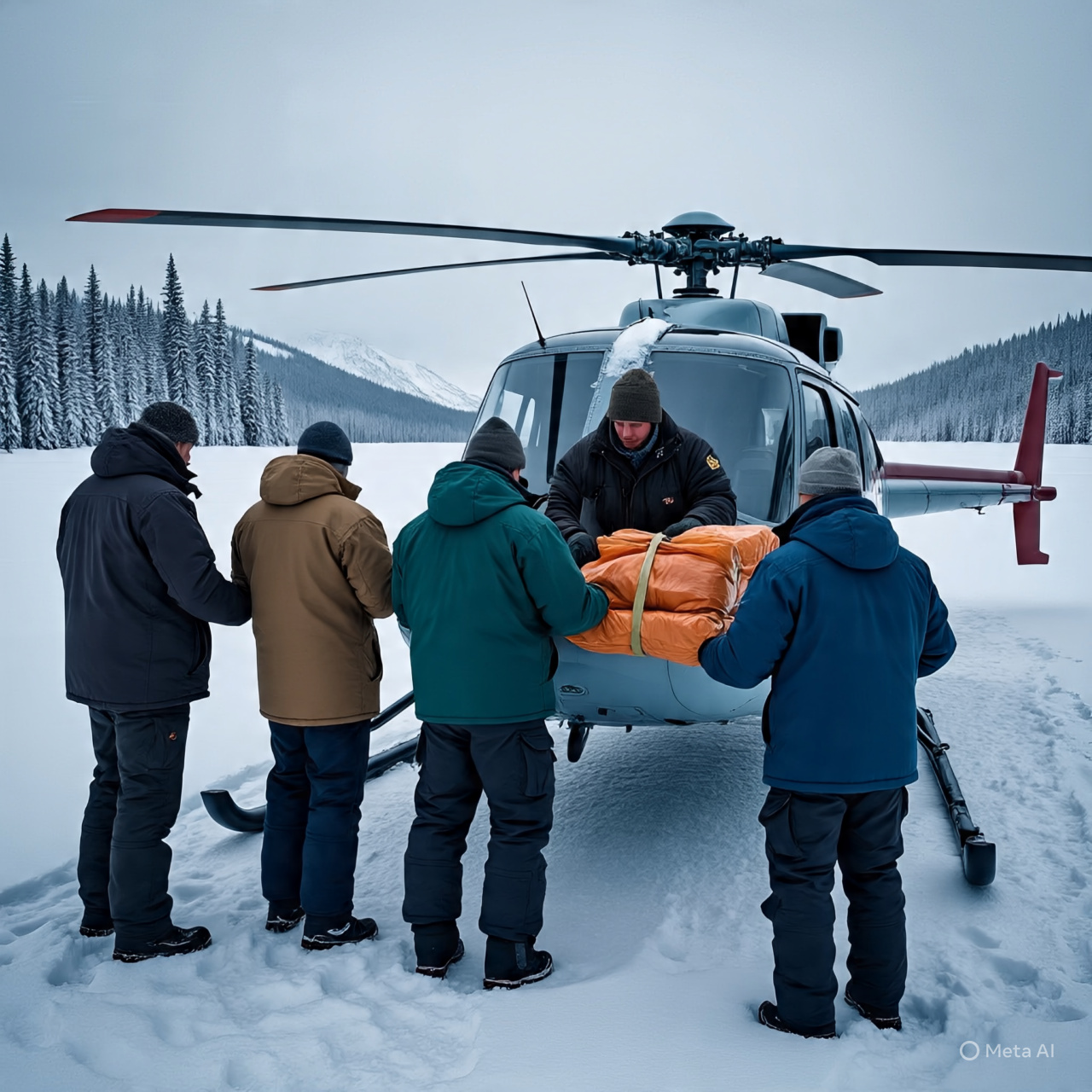
Northern Ontario and Northern Manitoba are some of the most challenging regions in Canada to fly. Long distances, limited infrastructure, unpredictable weather, and isolated communities make safe and reliable air service essential, especially for medical transport, cargo deliveries, construction crew travel, and essential passenger flights.
For many First Nations communities, air travel is not a luxury; it’s a lifeline. And while the landscape is beautiful, the conditions demand a level of preparation and expertise that only specialised northern operators can provide.
This is exactly why dependable Air Charter Flight Services Manitoba are so important in the region. Here’s a look at the unique seasonal challenges aviation companies face in the North, and how Trade North Aviation overcomes them to keep communities connected all year long.
Winter Weather: Extreme Cold, Ice, and Limited Daylight
Temperatures in the northern regions routinely drop to –30°C and below. Snowstorms can appear without warning, and daylight hours shrink dramatically. These conditions impact everything: aircraft performance, runway conditions, pilot visibility, and emergency response times.
Major Challenges
- Aircraft can require longer warm-up and inspection times
- Icing conditions can ground non-equipped aircraft
- Reduced daylight means fewer visual flight hours
- Short, snow-covered runways require experienced northern pilots
- Cargo loading/unloading becomes slower and riskier
How We Overcome It
- Northern-ready fleet:
Our Cessna 208, Piper Navajo Chieftain, Cessna 206 (floats/wheels/skis), and other aircraft are specifically chosen for cold-weather reliability and short-runway performance. - Advanced de-icing & ground equipment:
Regular de-icing, heated hangar storage, and cold-weather engine management ensure safe departures. - Skilled northern pilots:
Our pilots train specifically for northern winter operations, from whiteout navigation to frozen runway landings. - Medical & urgent flight readiness:
We stay prepared for urgent health-related trips using our Medical Air Charter Transport Services, ensuring safe patient movement even in severe winter weather.
Spring Thaw & Freeze-Up: When Runways Become Unpredictable
Spring freeze–thaw cycles are some of the toughest conditions in the North. Ice melts unevenly, gravel runways soften, and floatplane operations shift as lakes begin to open or freeze.
Major Challenges
- Soft, muddy runways reduce landing performance
- Ice conditions become unstable for ski-equipped aircraft
- Floatplane operations may pause temporarily
- The weather changes rapidly from hour to hour
How We Overcome It
- Mixed-terrain aircraft:
Our fleet operates on floats, wheels, and skis, allowing flexibility as conditions change daily. - Local ground intelligence:
We stay connected with airport staff and community monitors for real-time runway or ice-condition updates. - Flexible operations:
Flight plans and aircraft selection change based on daily thaw or freeze-up conditions. - Safety-first decisions:
If conditions do not meet safety standards, we reroute or reschedule, prioritising community safety above all else.
Summer Thunderstorms & High Activity Season
Summer brings fishing tourism, construction activity, medical travel, and higher volume for Air Charter Flight Services. But it also brings thunderstorms, turbulence, and more seaplane traffic.
Major Challenges
- Fast-building thunderstorms
- Busy community airstrips
- Higher seaplane movement
- Heat affecting aircraft performance
- High-demand cargo operations
How We Overcome It
- Real-time weather tracking:
Pilots use radar, satellite data, and northern weather systems to avoid storm cells. - Seaplane expertise:
Cessna 206 and De Havilland Beaver floatplanes are ideal for rugged lake landings. - Expanded summer availability:
More pilots and ground staff ensure safe operations during peak demand. - Support for construction & mining:
Scheduled deliveries keep remote job sites running smoothly throughout the season.
Fall Winds, Early Snow, and Changing Lake Conditions
Fall transitions can be unpredictable with strong crosswinds, early snow, fog, and changing lake temperatures.
Major Challenges
- Strong crosswinds on short runways
- Early-season snowstorms
- Floatplane season ending
- Lower visibility from fog and cloud layers
- Increased bird activity near runways
How We Overcome It
- Crosswind training:
Our pilots regularly fly in the windy conditions typical of Northern Manitoba and Northwestern Ontario. - Seasonal aircraft transitions:
Switching from floats to wheels/skis helps maintain safe operations throughout the fall. - Weather-based scheduling:
Flights are often scheduled earlier to avoid fog or turbulent winds. - Ongoing essential support:
Medical, passenger, and cargo flights continue smoothly with the help of our Medical Air Charter Transport Services during the fall season.
Remote Infrastructure Challenges Year-Round
Harsh seasons are only part of the challenge. Many northern communities lack full airport infrastructure.
Common Challenges
- Short gravel runways
- Limited on-site maintenance
- Fuel shortages
- No instrument landing systems
- Wildlife near runways
- Unpredictable emergency travel needs
How We Overcome It
- Rugged aircraft:
Designed for gravel, short-field, and bush operations. - Specialised pilot training:
Northern operations, low-visibility flying, and off-strip navigation. - Essential cargo & medical readiness:
Rapid response capabilities for medicine, medical staff, and emergency transport. - Community partnerships:
Strong communication with First Nations and local airport managers.
Why Reliable Air Service Matters
For remote communities in Northern Ontario and Northern Manitoba, aviation is essential for:
- Medical appointments & emergency transfers
- First Nations travel
- Time-sensitive cargo
- Construction & infrastructure work
- Tourism, fishing, and hunting access
- School and cultural travel
Conclusion:
Flying in Northern Ontario and Northern Manitoba presents unique challenges, including extreme winter cold, unpredictable spring thaws, and remote infrastructure limitations. Yet, with the right fleet, experienced pilots, and a deep understanding of northern operations, reliable air travel is possible throughout the year. Trade North Aviation continues to provide professional, safe, and dependable Air Charter Flight Services and Medical Air Charter Transport Services, connecting remote communities, supporting essential healthcare, and ensuring critical cargo and passenger travel reaches its destination on time. No matter the season, our commitment is to keep the North connected and its communities supported.